
AI , automation, and productivity
Increased automation of back office, management, and sales services are not guaranteed to have positive outcomes for companies or society. However, some negative outcomes are rather well known at this point and work should be done so they are avoided.
Whether AI will increase productivity is dependent on the same factors other technology could increase productivity:
- Specific process automation success
- Effect of value on the end product
- End cost of implementation
- Competition on final price
Increased automation of back office, management, and sales services are not guaranteed to have "positive" outcomes for companies or society. The negative outcomes are rather well known at this point and work should be done so they are avoided.
The goal of regulation is not to stifle the introduction of all automation programs or investment in machines. Instead policy should be structured to eliminate negative local and broader social, environmental, and democratic impacts, as you would for any business practice.
Using AI "agents," designed to automate a particular process using a rather specific black box of decision making processes, should not come at the expense of social values such as privacy or worker protections such as bargaining rights over the work environment. Otherwise, the "productivity gain" is not real, it is just the transfer of wealth from worker and risk to society masquerading as a gain in productivity.
If countries want to increase productivity, they should be focused on supporting real productivity gains while attempting to capture the production of goods and services needed to make automation possible.
Real efficiency or resilience is not guaranteed (and not even the goal) of unregulated investments in automation of work.
The goal is for AI in the workplace to be useful in augmenting the work, providing capacity for production of goods and services in a more efficient, equitable, and value creating way. These are the goals of regulators, they do not have to be in the way of other standard practices but they do shape those practices.
Work environments can be made safer, which reduces costs for firms and society.
Increased resilience of our supply chains and communities or discovered efficiencies that would not have been found otherwise are a natural focus for governments.
Using oppressive surveillance or undermining workplace rules in an attempt to squeeze marginal gains out of workers through increasing the intensity of the work day is not innovative.
Governments should also use technology to support the sharing the positive outcomes of real productivity gains.
Firms can be supported in applying tested and safe processes using AI, leveling the playing field and driving innovation in this space.
Regulations should be ensuring local governments do not use "AI" as a reason to reduce important worker and environmental regulations in search of false productivity gains.
Research at the state level should support the application of new technologies to expand monitoring (of capital), regulation enforcement, and resilience planning. Supporting the application of AI in these areas will also support industry practices.
Funds and investment supports should be targeted to support positive AI applications, and tied to the production of the physical goods and programming that make efficiencies possible.
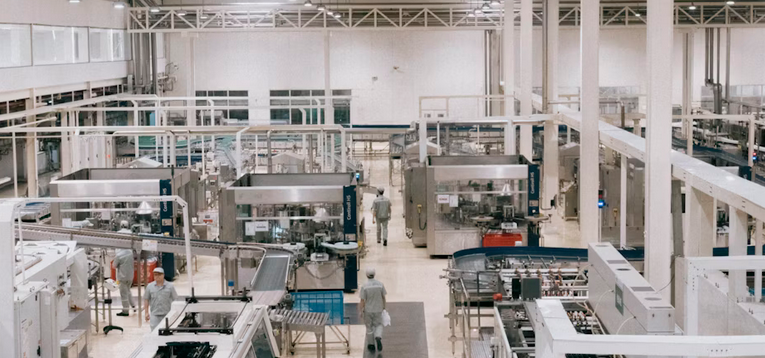
This is possible because most industrial processes will use older semiconductors, secured local datasets that protect trade secrets, robots that do not resemble humans and dogs (more like conveyor belts). The turnover of this technology will be years long, not just happen when brand new things are advertised.
Planning for investment, testing, and the methodical application of real productivity and safety enhancing technology will take trained individuals, knowledgable in the realities of the tech and the workplaces they are supporting. These workers will help firms tell the difference between fantasy and reality.
Building that ecosystem will take time and state research supports, just as it has before.
Applied innovation takes work and investment, it is not guaranteed, and funding and regulation programs should reflect that clear vision of automation.